The Quills: the forgotten American folk woodwind.

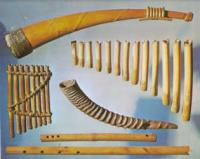
The Quills are a early American folk woodwind, first recorded in the early part of the 19th century among Afro-Americans in the south. There are at least two kinds of woodwinds called the quills: a cane fife with several holes, and a panpipe with several separate cane pipes.  They are assumed to be of African origin, since similar instruments are found in various parts of Africa, and they were most common among 1st and 2nd generation Africans in America. ...
January 20, 2011 · 8 min

Reconstructing the quills

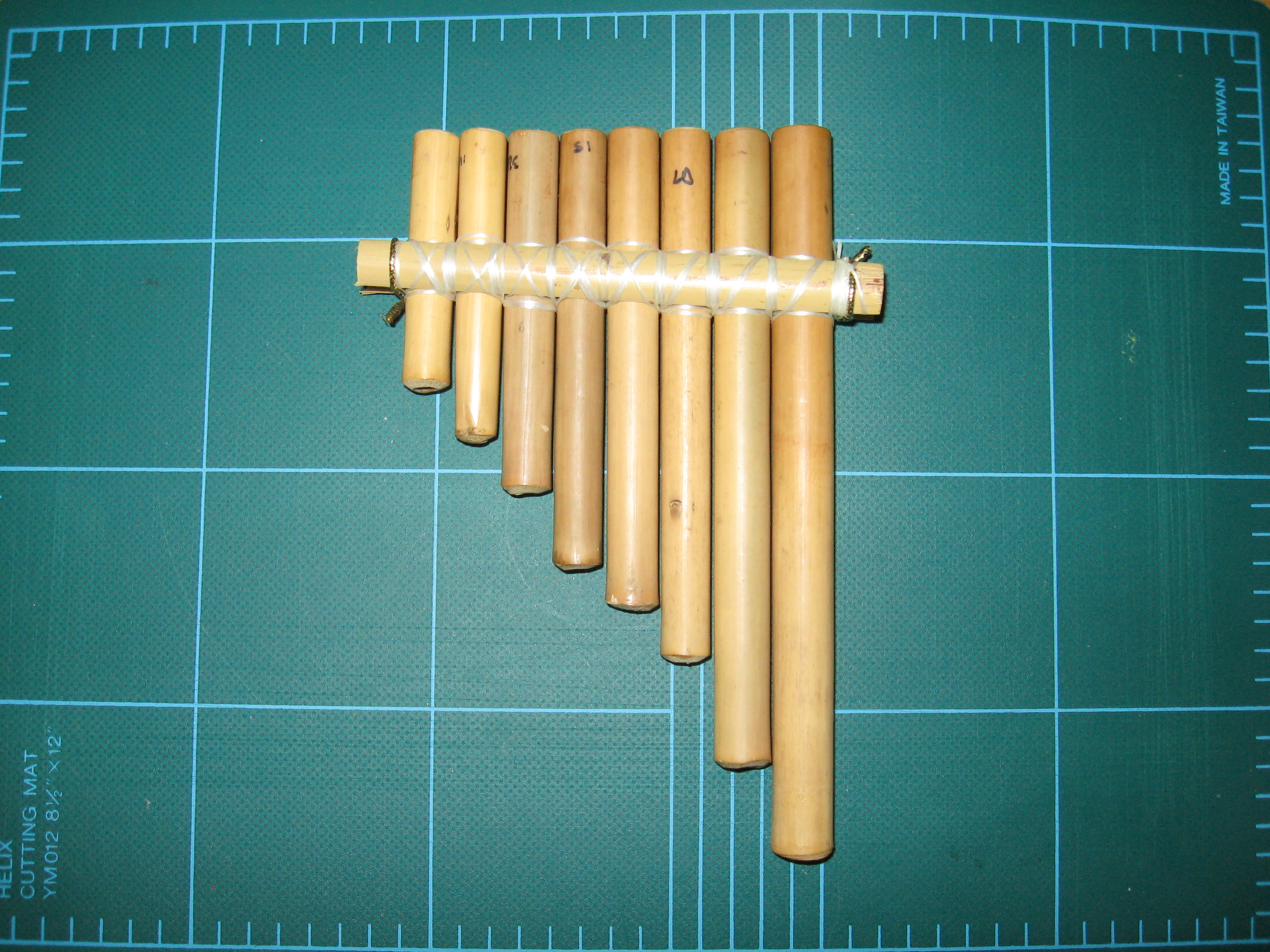
See the post The Quills: the forgotten American folk woodwind for general information about the American instruments known as the quills. African players make their own instruments, and I imagine that Henry Thomas did as well. Recent players of the cane fife in America do so as well. So, what do you need to know in order to make a historically accurate instrument? First off, you need to understand the difference between the cane fife (quills) and the panpipe form of the instrument, and decide which one you want to pursue. There are modern players and makers of the cane fife form of the instrument, so for the moment I’m going to concentrate on the panpipe version made famous by Henry Thomas. ...

January 18, 2011 · 10 min

Practical Acoustics of pan Pipes

As of this writing, there is no good source of practical information available regarding the construction of pan pipes, so I did a couple of tests to establish some general principles for pan-pipe scaling. The question I was trying to answer was: Given a pitch, what is the ideal internal length and diameter of the pipe? Since cane is a natural material, it will not conform to the precise dimensions defined here, however these numbers should provide a reasonable starting point for experimentation. ...

January 14, 2011 · 3 min

Break cane for fun and profit

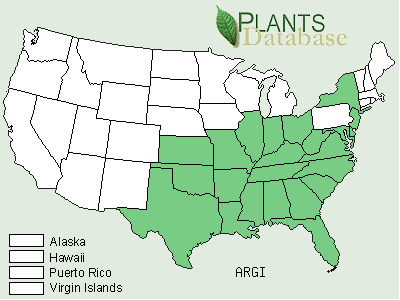
Arundinaria Gigantea Known as: Cane Southern Cane Cane Reed Switchcane Canebrake Bamboo Macon Rivercane (a specific variety available as an ornamental plant) I’ve collected this information from many sources on the web, while I searched for a source of cane for my Quills project. I put it here for the benefit of those who don’t want to spend the time searching. The plant is native to the southern U.S. Although cleared to near extinction, it still can be found in wetlands and well drained floodplain forests. It is found in canebrakes, thick clusters of plants that grow up to 25 feet high and up to a diameter of 1 and even two inches. ...

January 2, 2011 · 3 min